As a nursing student or professional, having a complete essentials checklist is crucial for providing safe, effective care. From your uniform to diagnostic tools and infection control supplies, every item plays a vital role in your daily responsibilities. Ensuring you have everything in place not only boosts your confidence but also helps maintain high standards. But what exactly should you include in your kit? Let’s explore the essential components you can’t afford to overlook.
Essential Scrubs and Uniforms
Have you ever wondered why having the right scrubs and uniforms is crucial for nurses? The proper attire ensures you present a professional appearance while maintaining comfort during long shifts.
Quality scrubs are made from breathable fabrics that keep you cool and allow easy movement, which is essential when you’re on your feet all day. Uniform color codes or styles often help identify your role and department, improving communication and patient trust.
Pockets and functional features enable quick access to essential tools, making your job smoother. Additionally, wearing clean, well-maintained uniforms helps prevent the spread of infection and promotes a hygienic environment.
Choosing the right scrubs and uniforms isn’t just about looks—it’s about functionality, safety, and professionalism in every aspect of your nursing practice.
Diagnostic and Monitoring Instruments
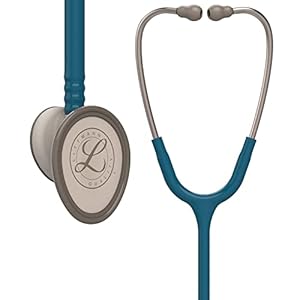
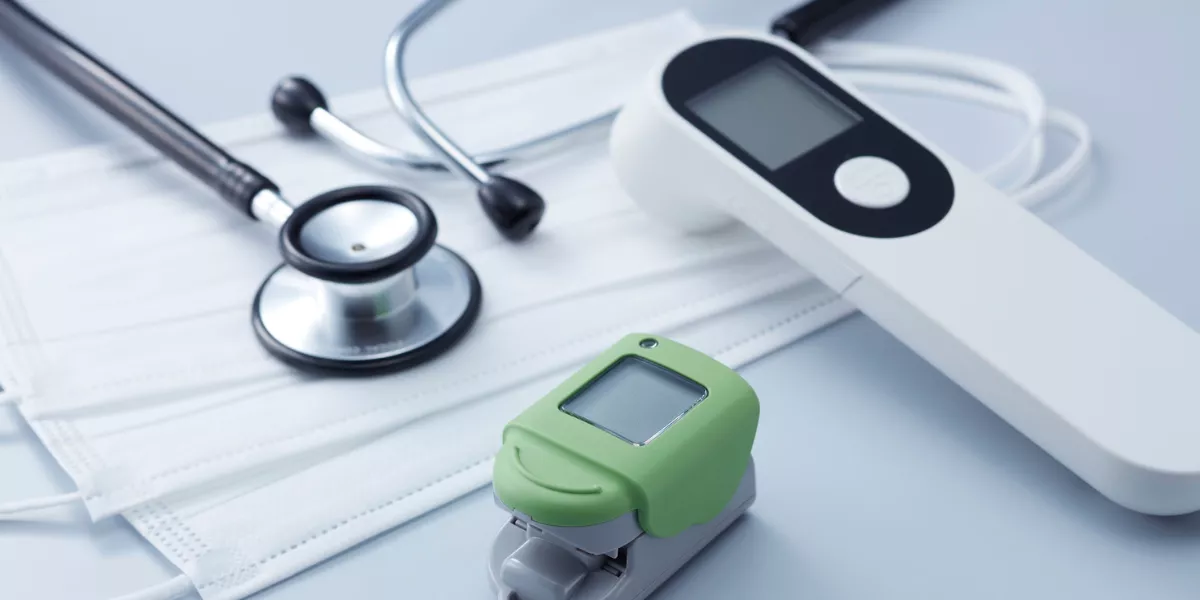
Using the right diagnostic and monitoring instruments is vital for providing accurate patient assessments and timely interventions. You should have a reliable blood pressure cuff, stethoscope, thermometer, pulse oximeter, and glucometer on hand.
These tools help you quickly gather essential data about your patient’s health status. For example, a blood pressure cuff and stethoscope allow you to measure blood pressure accurately, while a pulse oximeter provides oxygen saturation levels.
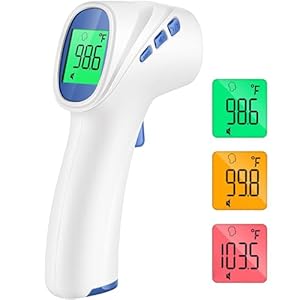
A thermometer helps you detect fevers or hypothermia, and a glucometer is crucial for monitoring blood sugar levels in diabetic patients.
Ensure these instruments are clean, calibrated, and functioning properly before use. Mastering their use enables you to assess vital signs efficiently and deliver prompt, informed care.
Personal Protective Equipment (PPE)
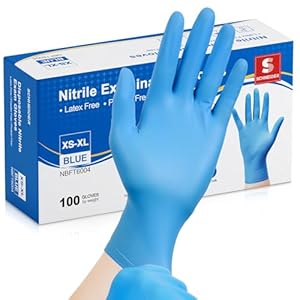
Personal Protective Equipment (PPE) is essential for safeguarding yourself and your patients from infection and contamination. You must wear gloves when touching blood, bodily fluids, or contaminated surfaces to prevent transmission.
Masks are crucial to protect your respiratory system during procedures that generate aerosols or involve close contact. Eye protection, like goggles or face shields, shields your eyes from splashes and sprays.
Gowns or aprons provide a barrier against fluids and help keep your clothes clean. Always check PPE for damage before use, and remove and discard it properly after each patient interaction.
Proper PPE use not only protects you but also minimizes the risk of spreading infections within healthcare environments. Make PPE a non-negotiable part of your routine to ensure safety at all times.
Infection Control Supplies
Infection control supplies are vital tools that support your efforts to maintain a sterile environment and prevent the spread of pathogens. You’ll need items like hand sanitizers, disinfectants, and surface wipes to keep patient areas clean.
Proper disposal supplies, such as biohazard bags and sharps containers, are essential for safe waste management. Ensure you have enough gloves, masks, and gowns to protect yourself and patients during procedures.
Sterile drapes and covers help create barrier protections for wounds and sterile fields. Regularly check your supplies for expiration dates and integrity to ensure effectiveness.
Having these items readily available and correctly used minimizes infection risks and promotes safety for everyone in the healthcare setting. Staying organized with your infection control supplies is key to effective infection prevention.
Documentation and Note-taking Tools
Effective documentation and note-taking tools are essential for maintaining accurate patient records and ensuring clear communication among healthcare team members. You should use electronic health record (EHR) systems for efficient, legible documentation that’s easily accessible.
Pens and notebooks are handy for quick notes during rounds or emergencies. Use standardized templates to ensure consistency and completeness. Abbreviations and symbols can save time, but only if they’re universally understood within your team.
Clear, concise entries help prevent errors and support continuity of care. Remember to date and sign every entry to verify accuracy.
Reliable tools not only improve your workflow but also protect patient safety, legal compliance, and quality of care. Regularly update your skills with new documentation practices to stay current and effective.
Basic First Aid and Emergency Supplies
Having the right basic first aid and emergency supplies readily available is crucial for providing immediate care and preventing minor injuries from worsening.
You should keep a well-stocked kit that includes adhesive bandages in various sizes, sterile gauze, and medical tape to address cuts and scrapes. Antiseptic wipes or solutions are essential for cleaning wounds, reducing infection risk.
Include scissors, tweezers, and gloves for safe handling and removal of debris. A digital thermometer and pain relievers such as acetaminophen or ibuprofen help manage symptoms.
Don’t forget emergency items like an instant cold pack, emergency blanket, and a flashlight with extra batteries. Regularly check your supplies for expiry dates and replenish as needed, ensuring you’re always prepared for unexpected situations.
Medication Administration Tools
Proper medication administration relies on the right tools to ensure safety and accuracy. You need a variety of essential items, including syringes, oral syringes, and medication cups, to measure doses precisely.
Always have a mortar and pestle for crushing tablets if necessary, and ensure your medication labels are clear and legible. Use medication spoons or droppers for liquids, and ensure all tools are clean and sterilized before use.
A pill cutter can help split doses accurately when prescribed. Additionally, keep a sharps container nearby for safe disposal of needles and syringes.
Using the correct tools minimizes errors and enhances patient safety. Regularly check your supplies to ensure they’re in good condition and ready for use at any moment.
Reference and Educational Resources
Are you utilizing the right reference and educational resources to support safe nursing practice? Having reliable sources at your fingertips ensures you stay current and confident in your skills.
Use reputable textbooks, peer-reviewed journals, and trusted online platforms to access evidence-based information. Don’t forget to subscribe to professional organizations like the ANA or specialty-specific groups, which offer valuable updates and guidelines.
Mobile apps and quick-reference guides are excellent for on-the-go support. Regularly updating your resources helps you stay informed about new protocols, medications, and techniques.
Organizational and Storage Solutions
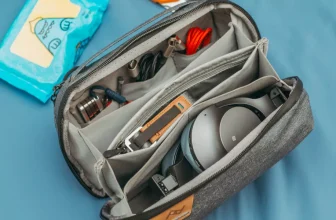
Effective organizational and storage solutions are essential for maintaining a safe and efficient nursing environment. When you keep supplies neatly arranged, you save time searching and reduce errors.
Use labeled containers, bins, and shelves to categorize items like medications, dressings, and tools. Implement a system that allows quick access to frequently used supplies, while less-used items are stored away securely.
Portable carts help organize your essentials for easy transport between patient rooms.
Regularly declutter and audit your storage areas to prevent expired supplies from accumulating. Clear labeling and designated spaces ensure you and your team stay coordinated.
Good organization not only improves workflow but also enhances patient safety and your overall productivity.
Conclusion
By keeping these nursing essentials ready, you ensure safe, effective, and professional care. Staying organized with your uniforms, diagnostic tools, PPE, and documentation supplies helps you respond quickly and confidently to any situation. Regularly check and maintain your essentials to stay prepared for daily tasks and emergencies. Ultimately, having everything you need at your fingertips boosts your confidence, enhances patient safety, and supports your growth as a skilled nursing professional.
Trending Products