If you spend long hours on your feet as a nurse, you’ve probably wondered if compression socks can really make a difference. While many colleagues swear by their comfort and support, scientific evidence varies, making it hard to know for sure. Understanding how these socks work and what benefits to expect can help you decide if they’re worth trying during your shifts. So, what does the research say, and how can you get the most out of them?
Understanding How Compression Socks Work
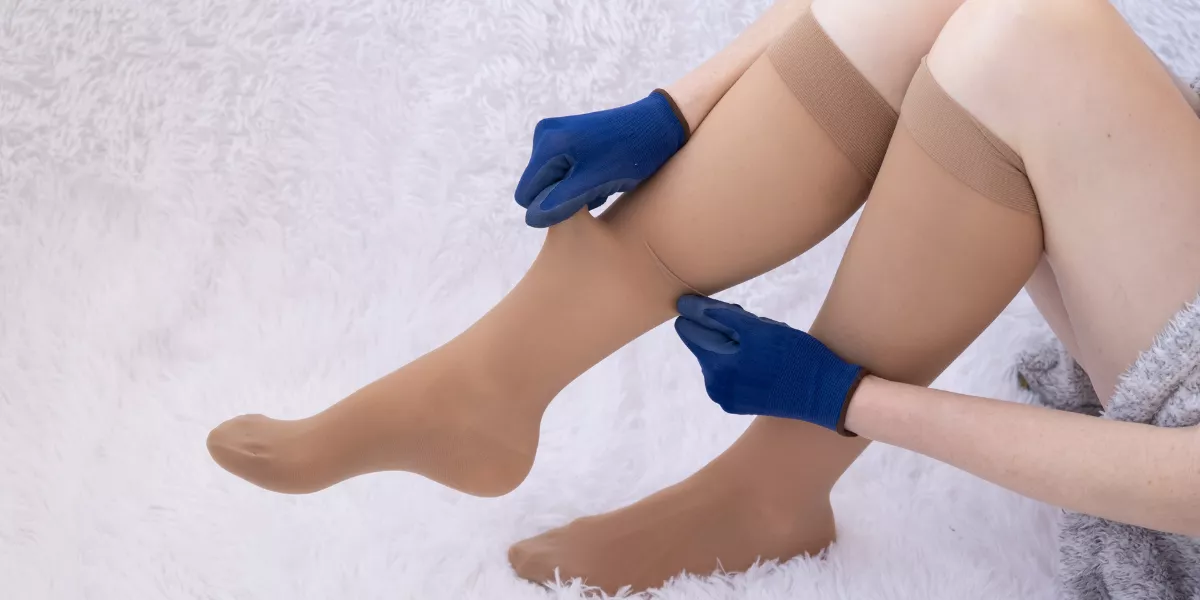
Compression socks work by applying graduated pressure to your legs, which helps improve blood flow and reduce swelling. The pressure is tightest at your ankles and gradually loosens as it moves up your calves and thighs. This design encourages blood to move upward, preventing it from pooling in your lower legs.
When you wear compression socks, they support your veins and muscles, making it easier for blood to circulate back to your heart. This not only reduces discomfort but also helps prevent issues like varicose veins and deep vein thrombosis.
The consistent pressure keeps your legs more comfortable during long shifts and can minimize fatigue. By improving circulation, compression socks make it easier for your legs to recover after extended periods of standing or sitting.
The Benefits Nurses Report From Wearing Compression Socks
Many nurses find that wearing compression socks significantly improves their daily comfort and energy levels during long shifts. They notice reduced swelling in their legs and ankles, which helps prevent discomfort and fatigue.
Many also report feeling more energized at the end of their shifts, making it easier to stay focused and alert. Some nurses mention that compression socks help improve circulation, reducing the ache and heaviness they often experience after hours on their feet.
They also appreciate how the socks provide support, making standing and walking less exhausting. Overall, nurses report that compression socks contribute to a more comfortable workday, helping them manage the physical demands of their demanding roles.
This sense of relief can lead to better overall well-being during demanding shifts.
Scientific Evidence Supporting or Challenging Their Effectiveness
Although some studies support the use of compression socks for improving circulation and reducing discomfort, the scientific evidence remains mixed.
Certain research indicates that compression socks can decrease leg swelling and alleviate fatigue during long shifts, which benefits nurses. However, other studies find little to no significant difference in circulation or pain levels between those who wear compression socks and those who don’t.
Variability in study design, compression levels, and sock quality makes it difficult to draw definitive conclusions. Some experts argue that individual differences, such as leg anatomy and activity levels, influence the effectiveness.
Tips for Choosing and Using Compression Socks Effectively
To get the most benefit from compression socks, it’s important to choose the right pair and use them correctly. First, pick a compression level suited to your needs; for long shifts, 15-20 mmHg or 20-30 mmHg often work well.
Make sure the socks fit snugly without feeling too tight or causing discomfort. Measure your calf circumference and foot length to find the right size.
Wear your compression socks early in your shift, ideally in the morning, before swelling starts. Keep them clean and dry, and replace them every 3-6 months to maintain compression quality.
Don’t forget to take breaks when possible, and if you experience numbness or increased pain, consult a healthcare professional. Proper use maximizes their benefits and helps keep your legs comfortable.
Conclusion
If you’re considering compression socks for your long shifts, they can definitely provide support, reduce leg discomfort, and boost circulation. While scientific evidence varies, many nurses find they feel more energized and less fatigued. Just make sure to choose the right fit and wear them early in your shift. When used properly, compression socks can be a simple, effective way to improve your comfort and protect your leg health during those demanding long hours.
Trending Products